
My Daily Food List After Cancer: Real Foods I Eat to Support Healing
After walking through cancer, I stopped overcomplicating my life with excessive diets and trends. I honestly was scared and held on to a lot of food fear. After keeping a daily food journal, I realized I was actually feeding my body some of the best polyphenol-rich foods.
Be sure to check out The Benefits of Red Light Therapy + My Review As A Cancer Survivor next!
I didn’t need a trendy diet or a long list of rules; I needed consistency and nourishment. And I needed to trust what I was putting on my plate. So instead of chasing the next “health trend,” I built a simple daily rhythm of foods I come back to again and again.
These are the foods I prioritize almost every single day; not because they’re perfect by themselves, but because they are powerful for the body, affordable, and deeply nourishing.
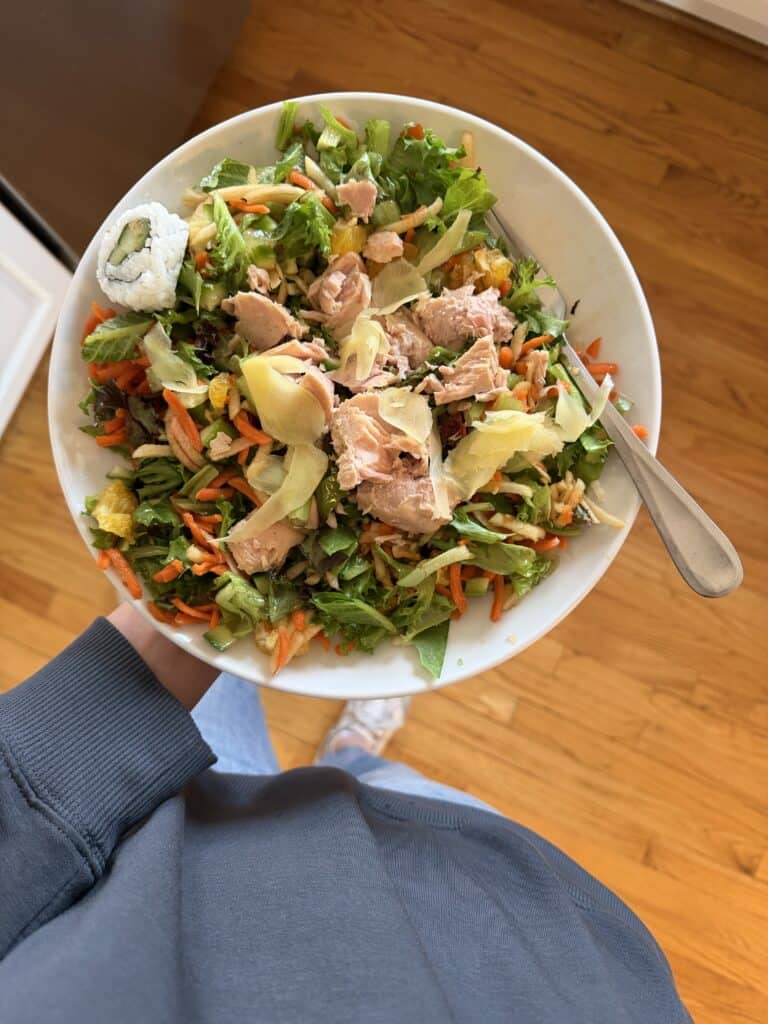
Why I Focus on Daily Staples
There is something incredibly grounding about eating the same core foods regularly. There’s a deep confidence I feel knowing what I’m putting into my body is truly nourishing. It takes the pressure off, too. I walk into the kitchen and don’t have to overthink it; I just get started. Shopping for groceries is so easy that I don’t even need a list most of the time, because I’m buying the same foods over and over with some variety, which removes decision fatigue.
Somebody reached out to me while I was on my healing journey from cancer and asked me a question I still think about today. “How are you healing your body at the cellular level?”
At the end of the day, everything in your body comes down to your cells. What you eat isn’t just about being healthy; it’s about giving your body the raw materials it needs to heal, rebuild, and truly thrive. Your body is made up of millions of cells, all working together like a symphony.
But when one part starts to struggle, the rest have to work harder to compensate. That’s why it matters what we put on our plate every single day. When we fuel our bodies with the right foods, we support our cells so they can function the way they were designed to, like a beautiful, steady piece of music.
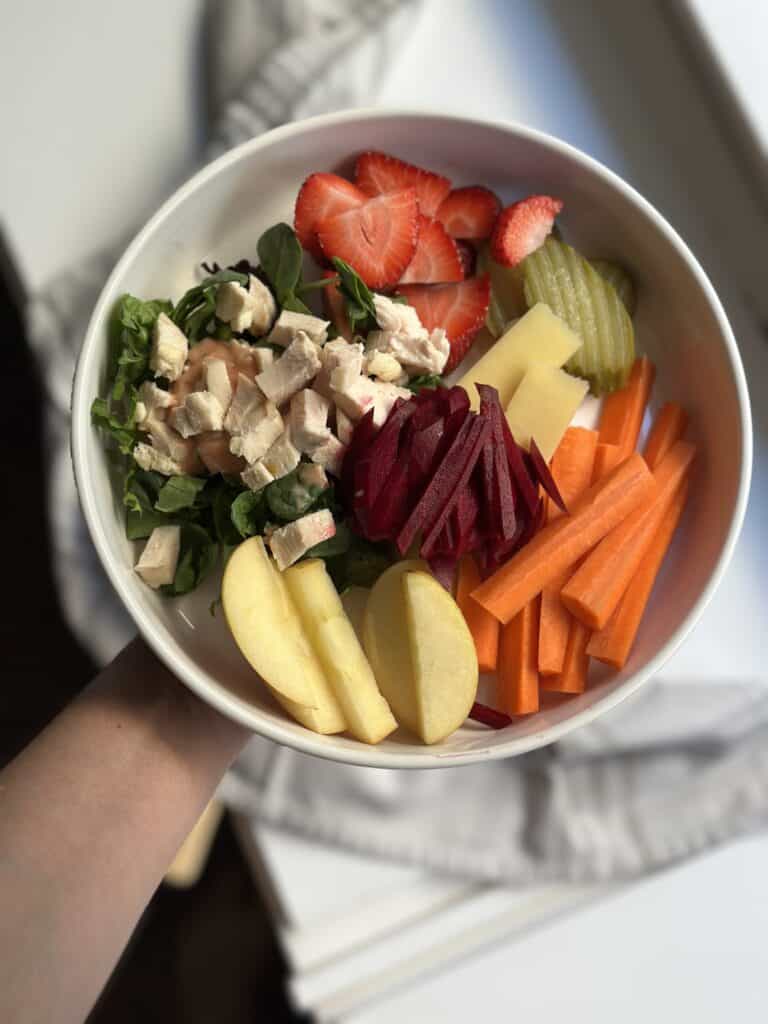
My Daily Food List:
- 1 Carrot
- 1/2 Beet
- 1/2 Apple
- 1/2 – 1 Cup Blueberries or Other Berries, or Pomegranate Arils
- Small Handful of Walnuts
- 1 Tbsp Extra-Virgin Olive Oil
- 1 – 2 Tbsp Lemon Juice
- 1 Square Dark Chocolate or 1 Tbsp Cacao Powder
- 1/2 Tsp Matcha Powder
- 1 – 2 Tbsp Fresh-Ground Flaxseeds or Chia Seeds
- 1 Cup Dark Greens (Spinach, Kale, Lettuce, Etc.)
- Fruit Leaf Tea
- Fermented Food: Yogurt, Kimchi, or Sauerkraut
- Protein: Eggs, Beans, Meat, and/or Just Ingredients Protein Shake
- (Not daily, but weekly: sweet potatoes)
These are not the only foods I eat, but I focus on these to fill my diet every day. Keep track of your food list in a daily food journal.
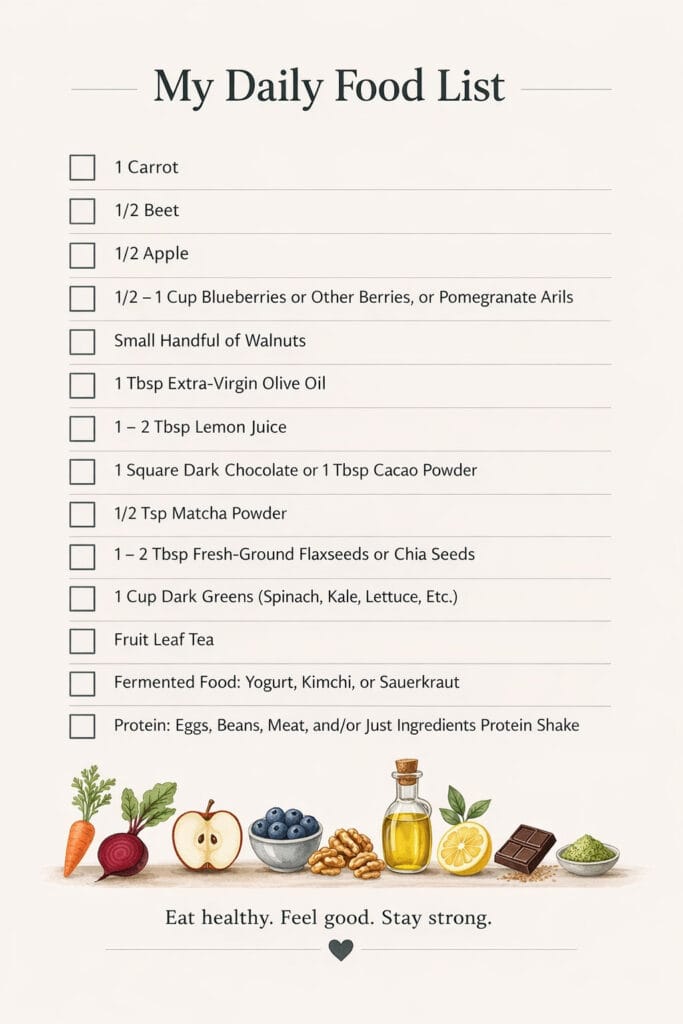
Print this image and use it as a guideline if you’d like to eat like me every day. You can also tap on the image and “save to photos,” and it’ll save to your phone’s photos.

Introducing my new Book
Real Food Lunchbox
40 SIMPLE, NOURISHING, AND BUDGET-FRIENDLY RECIPES THAT ARE KID-APPROVED!
Make packing school lunches simple, affordable, and nourishing with 40 real food lunchbox recipes your kids will actually eat. This eBook helps busy moms say goodbye to ultra-processed packaged lunches and hello to a wholesome rhythm of feeding their family real food, even during the busiest school mornings.

Carrots
Carrots are rich in beta-carotene, which our bodies convert into vitamin A, essential for immune health, skin, and cellular repair. They also support detox pathways and help bind to toxins in the gut.
Beets
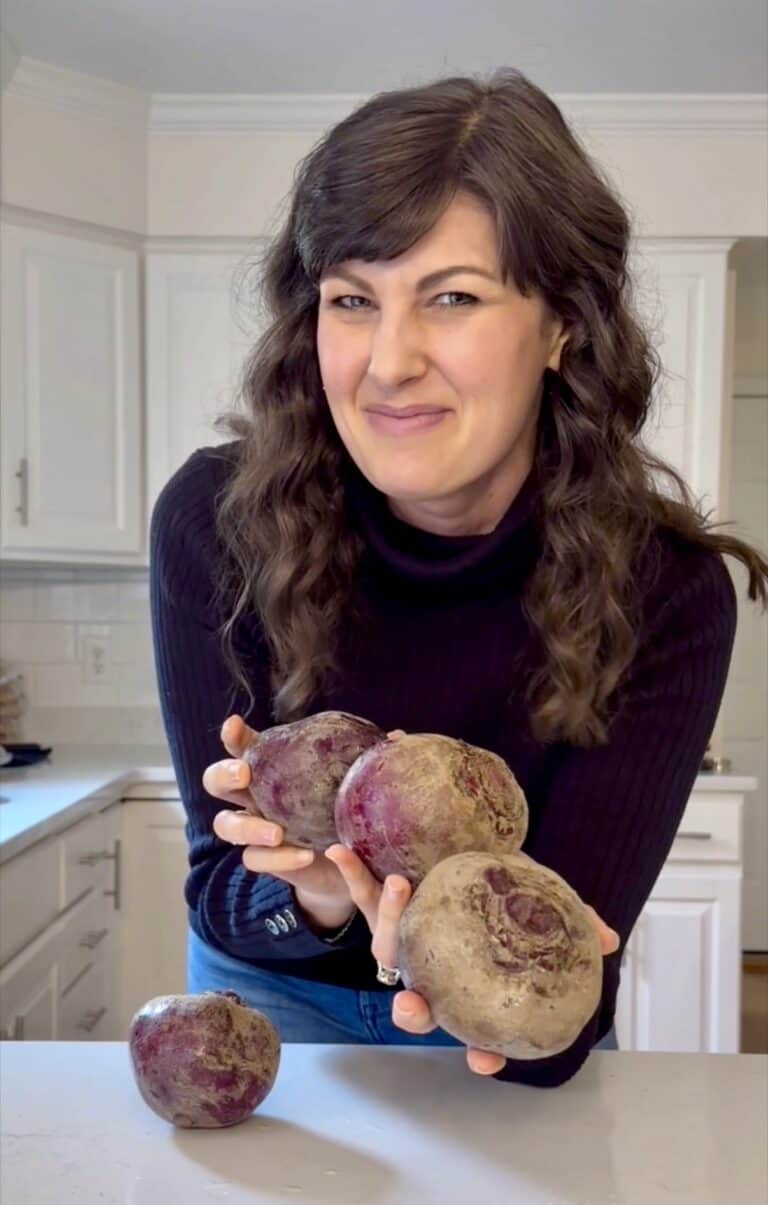
Beets are one of those simple foods that do so much behind the scenes. They support blood flow and oxygen delivery due to their natural nitrates, which means better cellular energy. They’re also rich in antioxidants and compounds that support your body’s detox pathways, especially the liver. I don’t need a lot, just a small daily amount (about the size of an apricot), and it’s an easy, powerful way to nourish my body consistently.
Apples
Apples are rich in fiber, support gut health, and contain polyphenols that help protect your cells from damage and support your body’s natural defense systems.
Blueberries
(Blueberries, blackberries, raspberries, elderberries, and pomegranate arils)
Dark berries are packed with anthocyanins that protect DNA, reduce oxidative stress, and support gut bacteria. Many doctors also talk about the benefits of eating blueberries when studying or writing a paper because they help clear brain fog.
Walnuts
Walnuts contain unique ellagitannins, which are converted in the gut into compounds linked to cancer-protective effects.
Extra Virgin Olive Oil
Rich in oleuropein and hydroxytyrosol, extra-virgin olive oil is both linked to reduced cancer risk and inflammation. This is why Mediterranean diets shine in general.
Fresh Lemon Juice
Pairing olive oil with fresh lemon juice provides healthy fats to help your body absorb nutrients, along with vitamin C to support your body at a deeper level. It’s a small daily habit that adds up.
Dark Chocolate or Cacao Powder
Cacao is high in flavanols that protect cells and improve blood flow. The darker and less processed, the better. I like to add cacao powder to my coffee or in my Best 3-Ingredient Hot Chocolate with Cacao Powder
Matcha (green tea powder)
One of the highest known sources of polyphenols, especially EGCG, matcha has been extensively studied for its anti-cancer and anti-inflammatory effects. You consume the whole leaf, not just a steep.
Flaxseeds
I always choose fresh ground flaxseeds because whole flaxseeds often pass through the body undigested. Grinding them allows your body to absorb the omega-3s, fiber, and nutrients they offer.
Dark Leafy Greens
Greens are rich in folate, minerals, and compounds that support detoxification and overall cellular health.
Fruit Leaf Tea
(olive, red raspberry, mango, soursop, and avocado)
Often higher in polyphenols than the fruit itself. Leaves exist to protect the plant, and they pass that protection on. Get all the information HERE.
Fermented Foods
I try to include something daily, like kefir, yogurt, or fermented vegetables, to support digestion and the microbiome. Also, research has found that kimchi is excellent at helping rid the body of heavy metals.
Protein
Protein is something I make sure to include every day. Whether it’s beans, eggs, salmon, sardines, beef, chicken, or turkey, these foods help support muscle, stabilize blood sugar, and give my body the building blocks it needs to repair and rebuild.
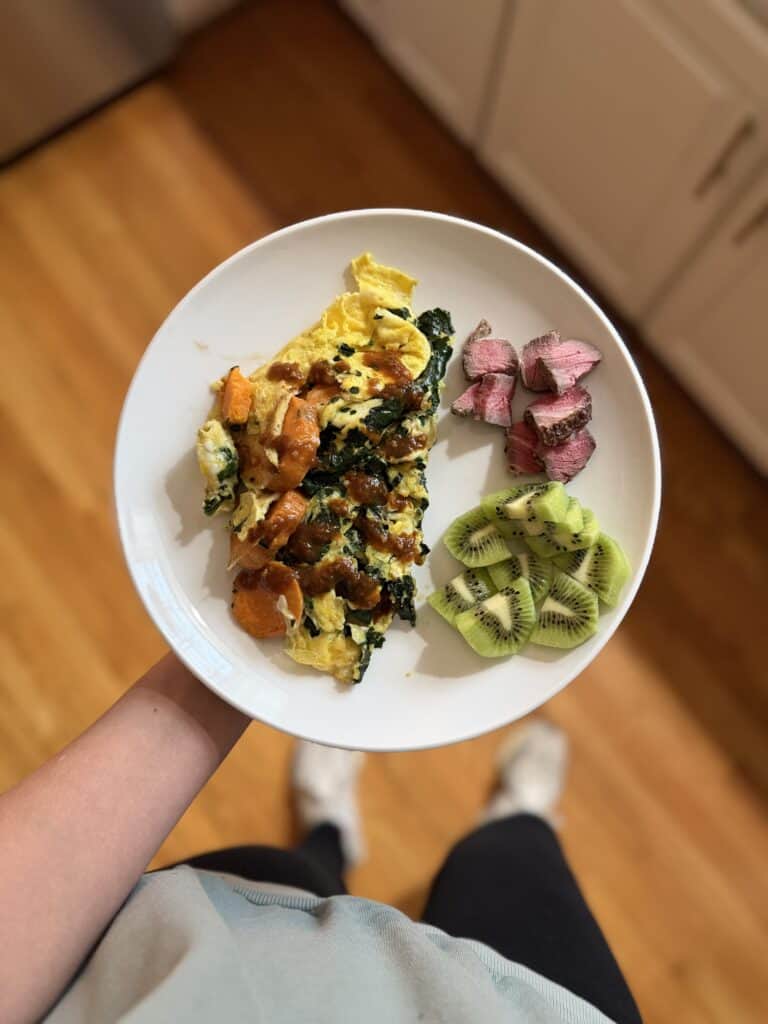
What This Looks Like in Real Life
Some days I have bountiful plates, and I’m able to savor and enjoy. On other days, I’m grabbing the essentials, throwing them into bags, and running out the door. It’s not picture-perfect, but it’s what I mentally cling to, so I know I’m going to feel great, have loads of energy, and hopefully stay healthy. What really helps is keeping a daily food journal to help keep me on track.
Daily Food Journal:
- I typically wake up at 6 AM – oil pull with coconut oil, rinse with salt water, and brush my teeth.
- Have 3 cups of water and make my fruit leaf tea – let it steep all morning.
- Make my Everyday Dose Mushroom Coffee with cacao powder, maple syrup, and raw milk. (RECIPE HERE)
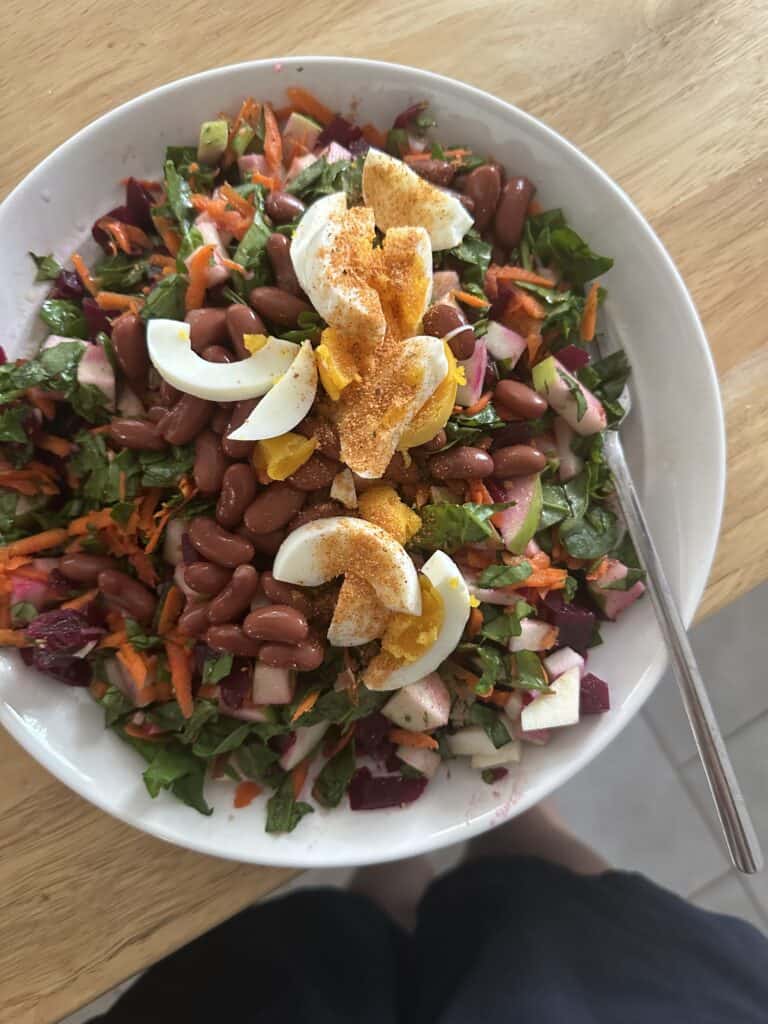
- Eat breakfast around 10 AM, which consists of spinach and eggs, thawed frozen blueberries with yogurt, matcha, flaxseeds, cinnamon, honey, and walnuts. (RECIPE HERE) If I’m not having yogurt, I’ll have kimchi.
- Drink fruit leaf tea (RECIPE) throughout the middle of the day, about 36 ounces total.
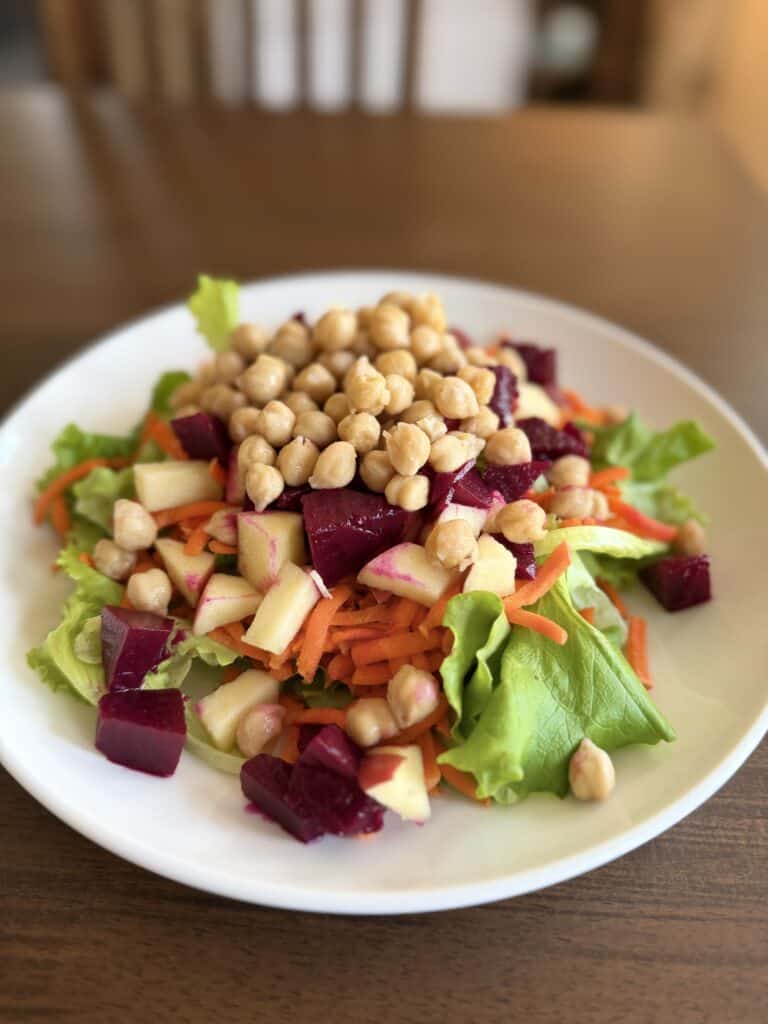
- Make either a salad or a snack plate with carrot, beet, and apple (RECIPE HERE). Add a protein like a small salmon fillet or leftover chicken (or a protein shake if I’m rushed).
- Then I’ll have my olive oil and lemon shot with my vitamins.
- Dinner consists of what I haven’t eaten yet, plus a salad or cooked vegetable, and a protein source. Sometimes, a slice of fresh-milled sourdough bread for fiber and vitamins.
I’m also making sure I drink at least 80-96 ounces of fluids (not counting caffeine). If I’m struggling to drink all the water, I’ll add 1 scoop of Just Ingredients Electrolytes, and that helps so much. (LEARN MORE HERE)
I Eat The Way The Bible Says To Eat
When I step back and look at the way I eat, I truly believe it’s centered around the kinds of foods the Bible points to: real, whole, God-given ingredients that come from the earth. These foods are naturally rich in things our bodies deeply need, like fiber, healthy fats, and powerful plant compounds such as polyphenols that help protect our cells and support the body from the inside out.
In a perfect world, we see in Genesis a plant-based beginning, but we also live in a world where our bodies need more support to stay strong after the result of sin and the change in our atmosphere after the flood. That’s why I include both nourishing plant foods and quality animal protein, creating a way of eating that is simple, grounded, and supportive of healing. It’s not about perfection or strict rules, but about consistently choosing foods that fuel the body, support our cells, and honor the way we’ve been designed to thrive. Start by keeping a daily food journal to track the foods you’re eating for health.
Other articles you might enjoy:
- Non-Toxic Laundry Swaps After Cancer
- The Benefits of Red Light Therapy + My Review As A Cancer Survivor
- Homemade DIY Face Masks – Relieve Dry Aging Skin
- Apple Beet Carrot Juice For Detox & Inflammation (Anti-Cancer Daily Drink)
Post Disclaimer
This page contains affiliate links. When you purchase through them, you help support Homemaker on a Budget. Thank you for being part of this community!




We’re can I order the book at? Having a hard time getting it
If you’re referring to The Biblio Diet, here’s the link: https://amzn.to/4dTzo09